
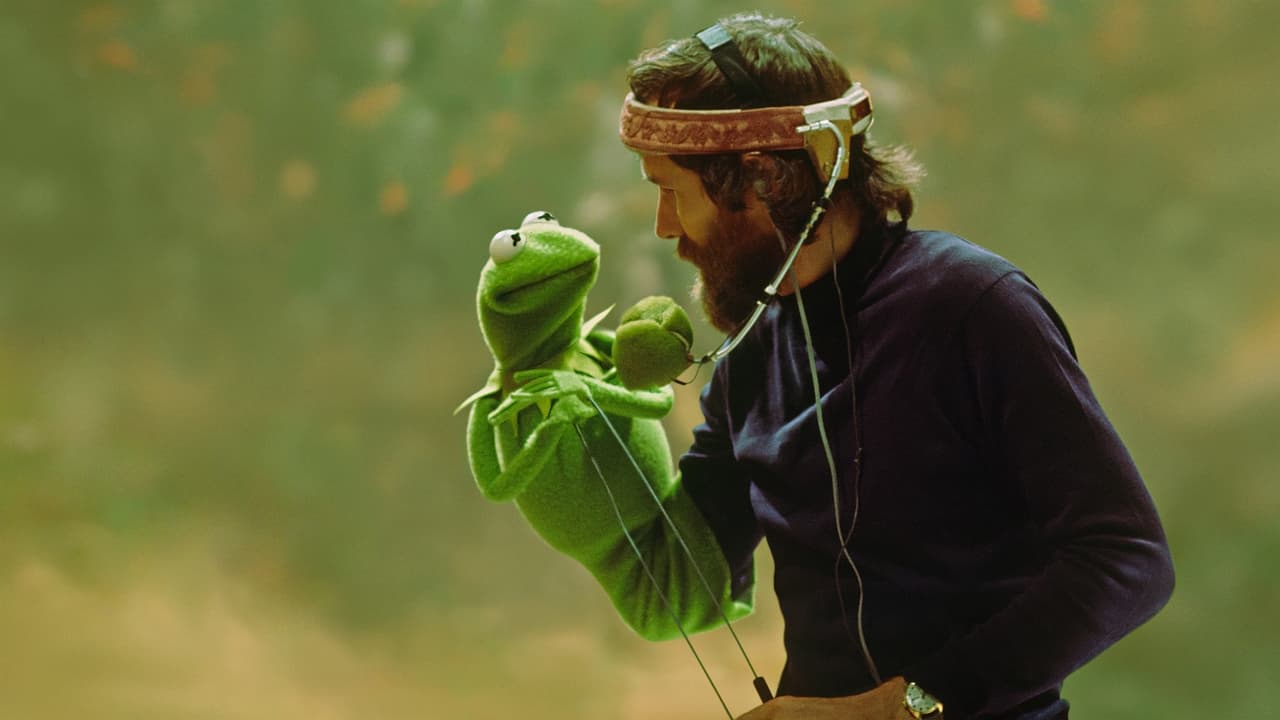
Jim Henson Idea Man
Featuring unprecedented access to Jim Henson's personal archives, filmmaker Ron Howard brings us a fascinating and insightful look at a complex man whose boundless imagination inspired the world. [Full story]
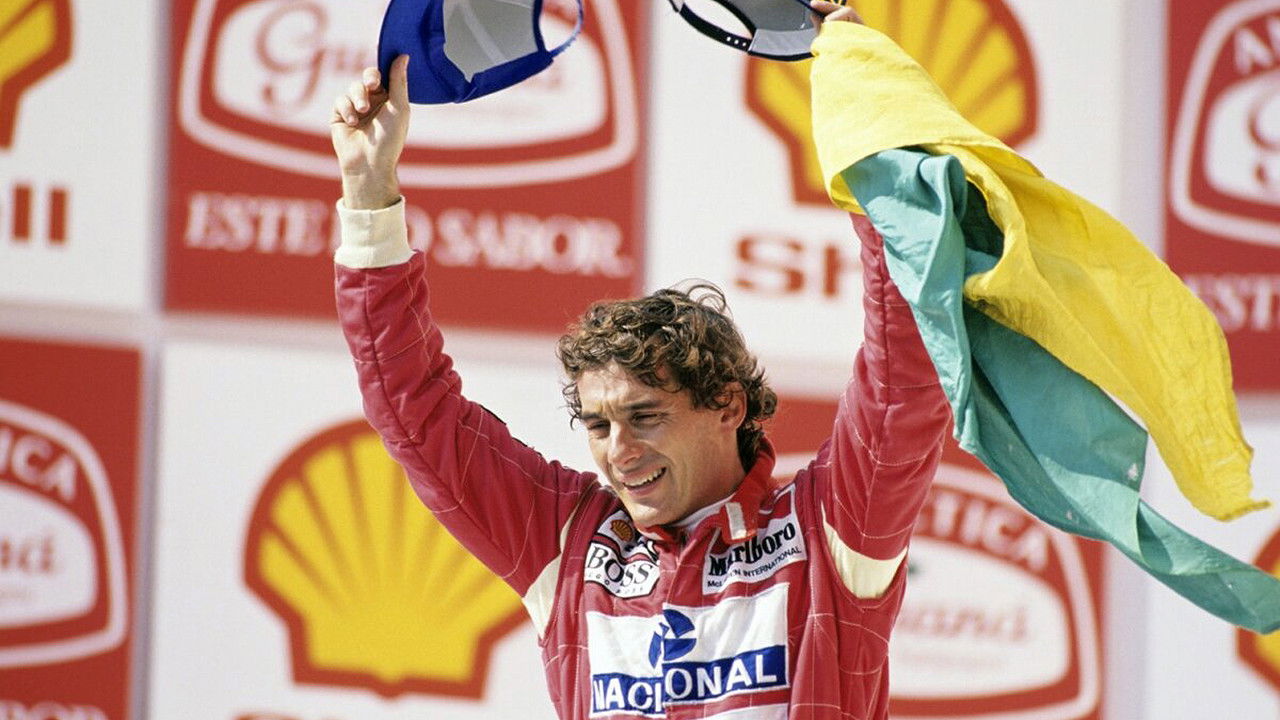 Senna. The remarkable story of Brazilian racing driver Ayrton Senna, charting his physical and spiritual achievements on the…
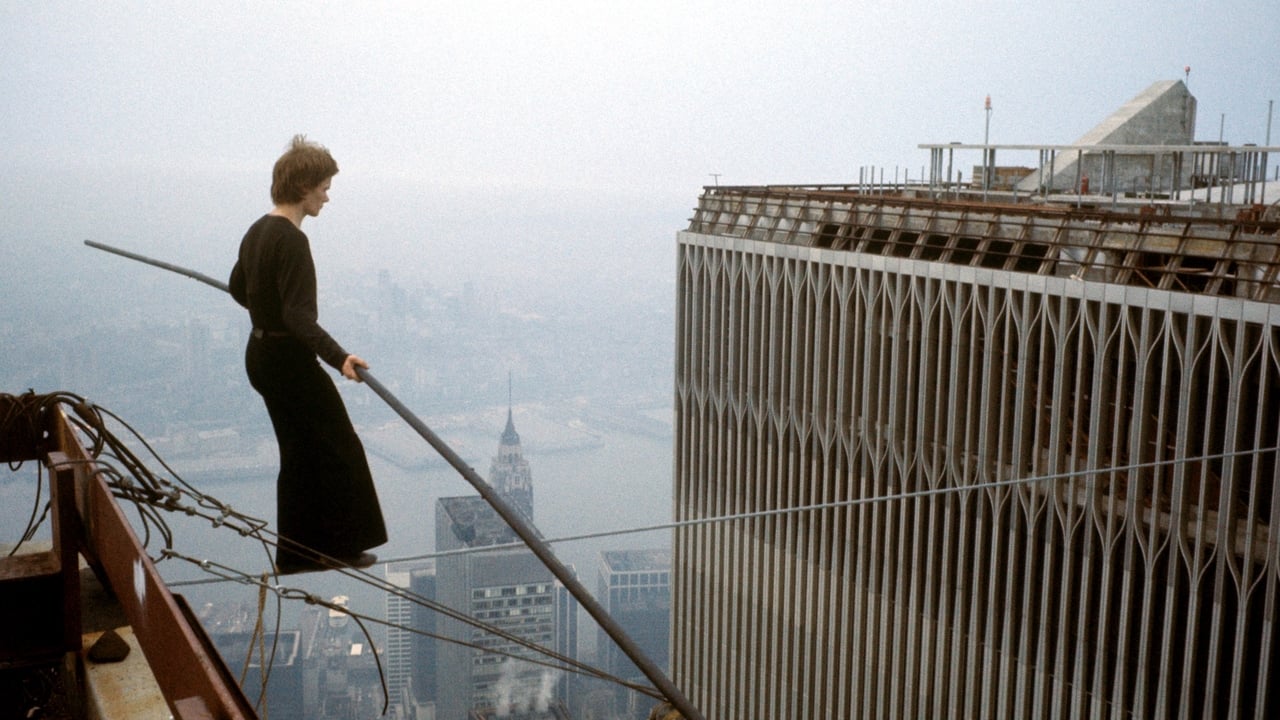 Man on Wire. On August 7th 1974, French tightrope walker Philippe Petit stepped out on a high wire, illegally rigged between New…
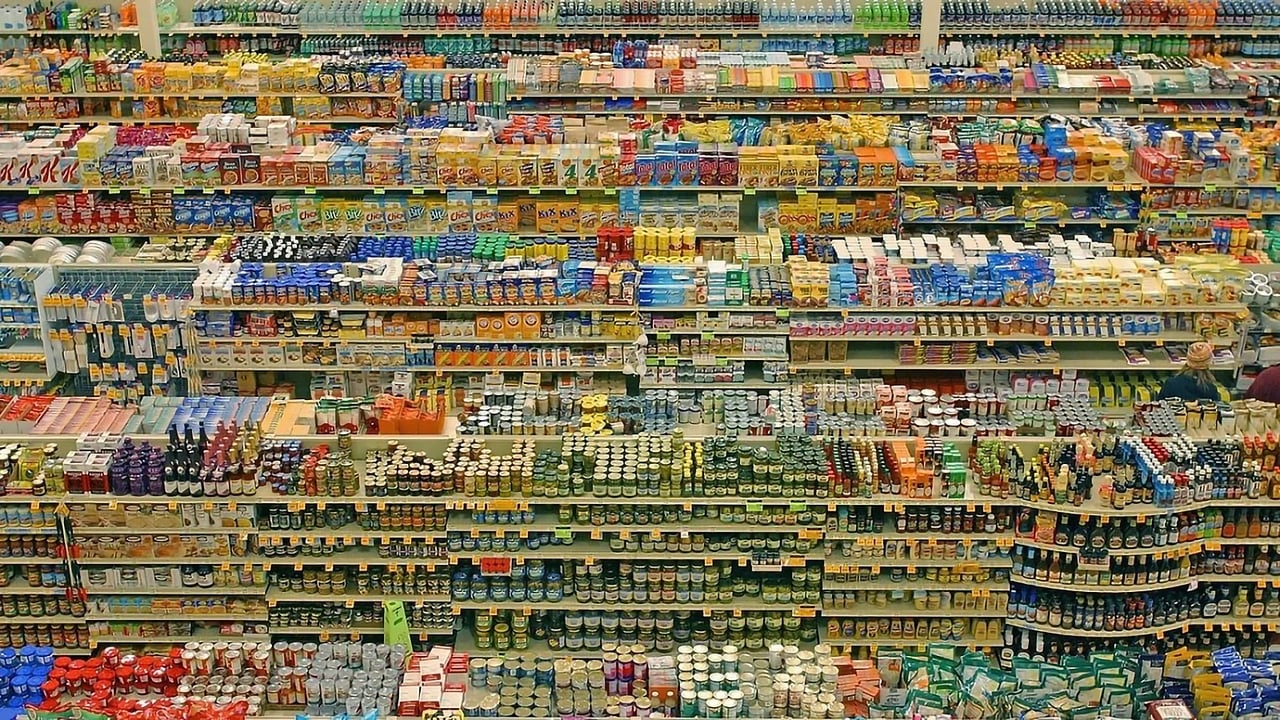 Koyaanisqatsi. Takes us to locations all around the US and shows us the heavy toll that modern technology is having on humans and the…
Cinema
170 documentaries in English, 1957 to 2026, chosen for the whole household.
Most watched
- 1
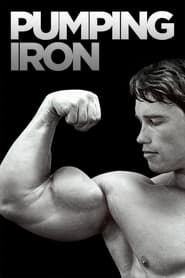
Pumping Iron
1977 · 86 min · 7.2
Amateur and professional bodybuilders prepare for the 1975 Mr. Olympia and Mr. Universe contests as five-time champion Arnold Schwarzenegger defends his Mr. Olympia title against Serge Nubret and the shy young…
- 2

Buena Vista Social Club
1999 · 105 min · 7.5
In this fascinating Oscar-nominated documentary, American guitarist Ry Cooder brings together a group of legendary Cuban folk musicians (some in their 90s) to record a Grammy-winning CD in their native city of…
- 3
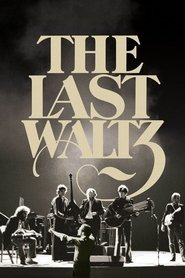
The Last Waltz
1978 · 117 min · 7.7
Martin Scorsese's documentary intertwines footage from The Band's incredible farewell tour with probing backstage interviews and featured performances by Bob Dylan, Joni Mitchell, Van Morrison, Eric Clapton,…
- 4
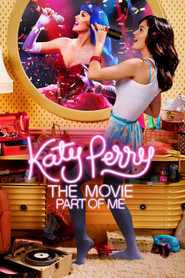
Katy Perry: Part of Me
2012 · 93 min · 7.1
Giving fans unprecedented access to the real life of the music sensation, Katy Perry: Part of Me exposes the hard work, dedication and phenomenal talent of a girl who remained true to herself and her vision in…
- 5
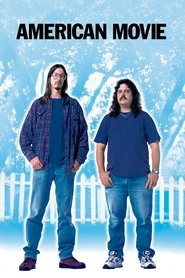
American Movie
1999 · 104 min · 7.6
American Movie documents the story of filmmaker Mark Borchardt, his mission, and his dream. Spanning over two years of intense struggle with his film, his family, financial decline, and spiritual crisis,…
The making of
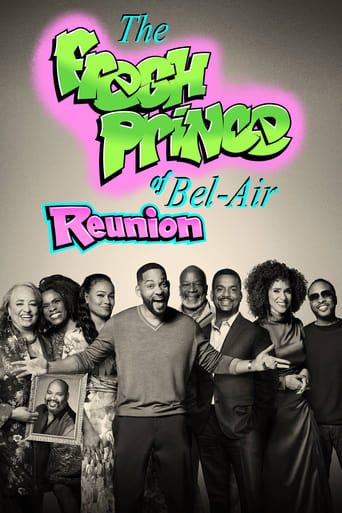 The Fresh Prince of Bel-Air Reunion2020 · 8.1
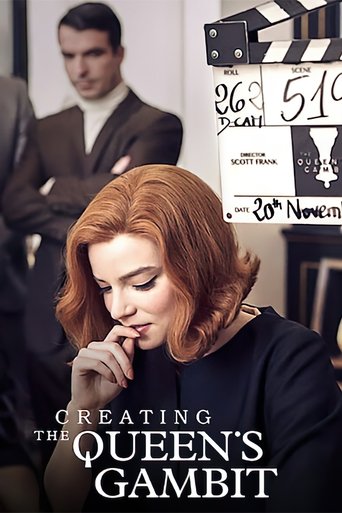 Creating The Queen's Gambit2021 · 7.8
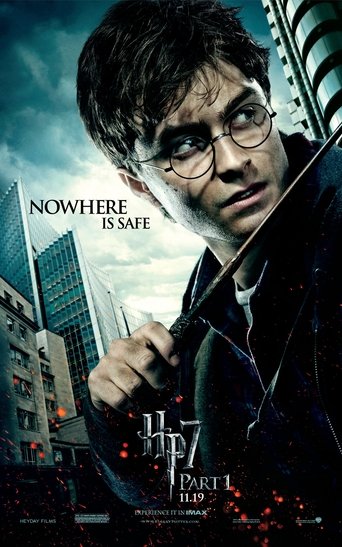 50 Greatest Harry Potter Moments2011 · 7.5
 Waking Sleeping Beauty2010 · 7.2
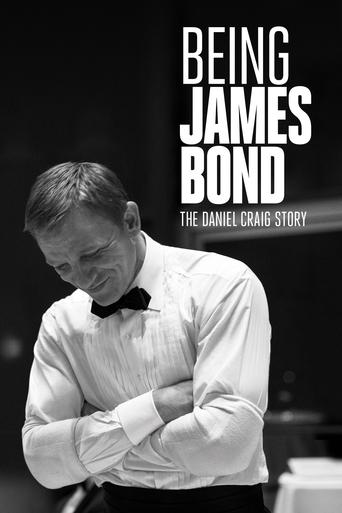 Being James Bond2021 · 7.8
Stars and makers
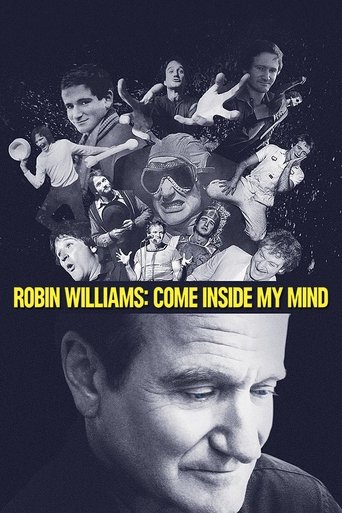 Robin Williams: Come Inside My Mind2018 · 7.9
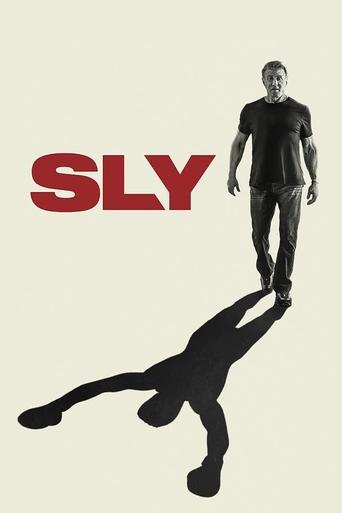 Sly2023 · 7.2
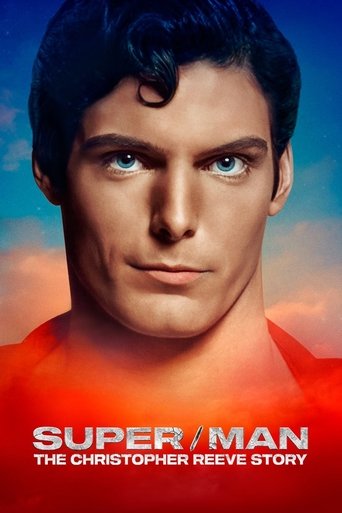 Super/Man: The Christopher Reeve Story2024 · 8.1
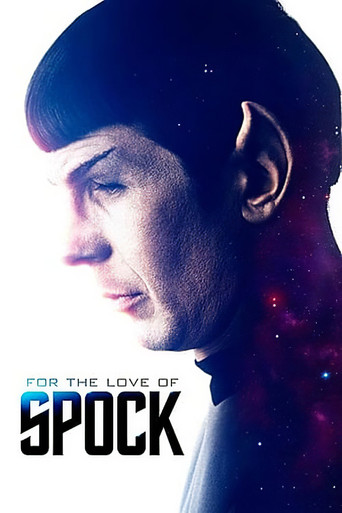 For the Love of Spock2016 · 7.4
 Listen to Me Marlon2015 · 7.5
Bands
 Anvil! The Story of Anvil2008 · 7.6
 Sound City2013 · 7.4
 Supersonic2016 · 7.4
 It Might Get Loud2008 · 7.2
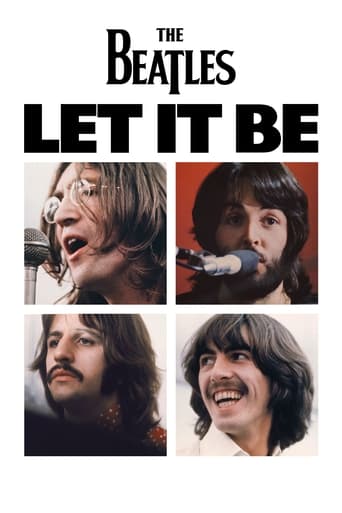 Let It Be1970 · 7.6
Singers and players
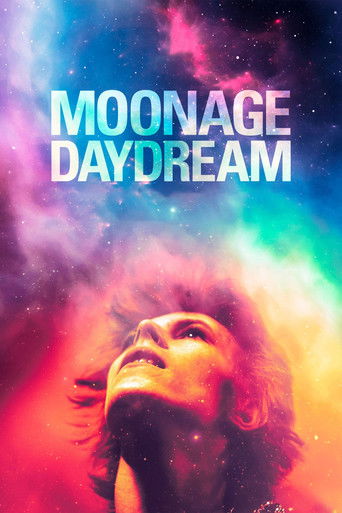 Moonage Daydream2022 · 7.4
 20 Feet from Stardom2013 · 7.2
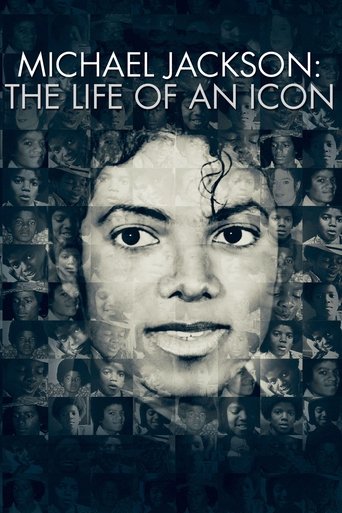 Michael Jackson: The Life of an Icon2011 · 8.1
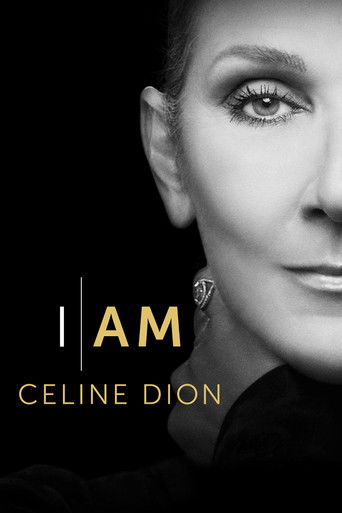 I Am: Celine Dion2024 · 7.6
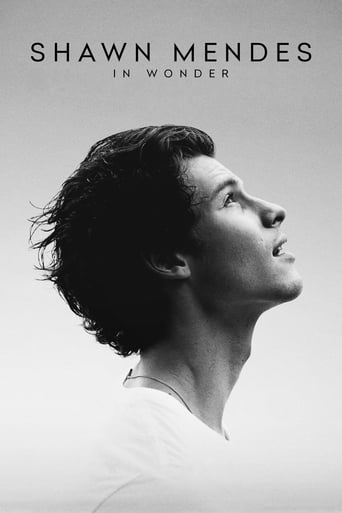 Shawn Mendes: In Wonder2020 · 8.1
Sport
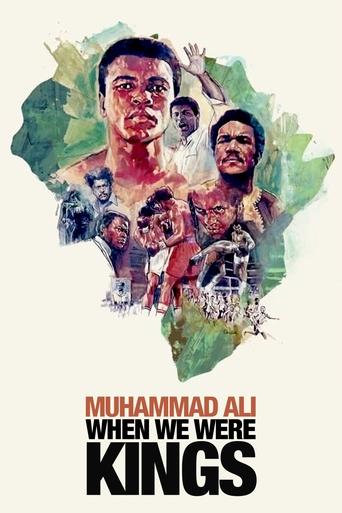 When We Were Kings1996 · 7.6
 The Deepest Breath2023 · 7.6
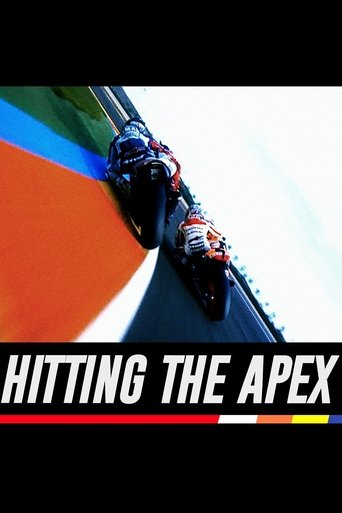 Hitting the Apex2015 · 7.7
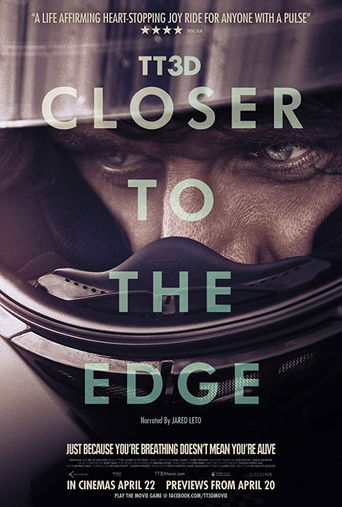 TT3D: Closer to the Edge2011 · 7.6
 RETURN2024 · 7.1
Science and space
 Fire of Love2022 · 7.5
 Racing Extinction2015 · 7.8
 National Geographic: Journey to the Edge of the Universe2008 · 7.8
 Life After People2008 · 7.0
 Powers of Ten1977 · 7.7
The Cinema guide to documentaries
Cinema: documentaries on film, music, sport and science, from Jim Henson Idea Man, Senna and Man on Wire to Buena Vista Social Club, Waking Sleeping Beauty and Fire of Love
A good documentary does something a feature film can only imitate: it shows what really happened, to the people it really happened to. The puppeteer at his workbench, the racing driver in the rain, the old Cuban pianist sitting down at the keys after years away, the wire-walker stepping out between two towers; each is there on the screen as he was. Cinema is a guide to 170 such films, made in English between 1957 and 2026. Each has its own page, its story, its director, and a Watch now button that leads to the official services carrying it in your country.
The catalogue has been chosen for the whole household. Every summary was read by hand, and the selection keeps to four broad subjects: films and television and how they are made, music and musicians, sport and adventure, and science, art and remarkable lives. True crime, politics and stand-up specials were left out, along with films that are simply recorded concerts. What remains is a shelf of documentaries about people who are very good at something, and about the work that lies behind what audiences see and hear.
Below, the three subjects are taken in turn, opening with the screen itself, moving on to the recording studio and the stage, and ending with the track, the laboratory and the artist's workshop. Three films are proposed for a first sitting, and the closing sections deal with length, directors, search and My List. All film titles are links, and the writing is in English for viewers anywhere.
What Cinema offers
Cinema is a viewing guide. Each of its 170 film pages carries a poster, a still, the story in a paragraph, the year, the running time and the director. Beneath them sits one button, Watch now, which opens JustWatch for the country you select and shows the subscription, rental, purchase and free services that carry the film there. The guide itself holds pages of information, and the playing of every film happens on those official services.
Fifty-one of the documentaries concern film and television, sixty-two concern music, and fifty-seven look at the wider world. Within the first group, twenty-two go behind the scenes of particular films and series, twenty-one are portraits of stars and makers, and eleven tell parts of the history of the movies. Within the second, twenty-nine follow bands, studios and scenes, and twenty-nine follow solo singers and players. Within the third, twenty-three are about sport, seventeen about science and space, and twenty-three about art and unusual lives. Twenty-four films run an hour or less.
By period, twenty-two films date from before 2000, seventeen from the 2000s, thirty-one from 2010 to 2014, fifty-three from 2015 to 2019 and forty-seven from 2020 onwards. The home page is arranged like the front page of a film paper: a lead picture and story, three shorter items beneath, a numbered chart of the five most watched films, and grids of five posters for the making of, stars and makers, bands, singers and players, sport, and science and space. A side rail on every page lists the top rated films, the newest films and the lists.
A first evening
Three films make good first choices, one from each subject. From the screen comes Jim Henson Idea Man, made in 2024 by Ron Howard with the full run of the Henson family archive. It follows a shy, restless young man from Mississippi who began making puppets for local television in the fifties, invented Kermit out of his mother's old coat and half a ping-pong ball, and went on to Sesame Street, The Muppet Show, The Dark Crystal and Labyrinth. Frank Oz, his partner in countless sketches, is the best of the witnesses. What emerges is a man who could hardly stop working, and whose idea of work looked a great deal like play.
From music comes Buena Vista Social Club, directed by Wim Wenders in 1999. The American guitarist Ry Cooder travels to Havana and gathers a group of veteran Cuban musicians, several of them in their eighties and nineties and long retired, to record an album. The singer Ibrahim Ferrer had been shining shoes; the pianist Rubén González owned a piano eaten by termites. The film watches them record, remember, and finally walk out on to the stage of Carnegie Hall in New York. The album sold in the millions, and the film is one of the happiest ever made about music.
From sport comes Senna, directed by Asif Kapadia in 2010. It tells the life of the Brazilian racing driver Ayrton Senna entirely through footage shot at the time, with voices laid over it in place of talking heads: his arrival in Formula One in 1984, his three world championships, his long duel with the French champion Alain Prost, and the place he held in the heart of his own country. Viewers who have little interest in motor racing are regularly won over by it, and it holds a score of 8.1.
The making of
Twenty-two documentaries go behind the scenes of a film or a series, and the making of guide lists them. The best of them is Waking Sleeping Beauty, from 2010, directed by Don Hahn, who was there. By the middle of the eighties the Disney animation studio had fallen on hard times and its artists had been moved out of their own building. Within ten years the same artists made The Little Mermaid, Beauty and the Beast, Aladdin and The Lion King. The film tells how, using home movies, caricatures drawn in story meetings and the voices of those who took part, and it is frank about the quarrels at the top.
The older promotional films have a charm of their own. Making "The Matrix", from 1999, explains the wire work and the famous frozen moments achieved with a ring of still cameras. The Making of 'Terminator 2: Judgment Day', from 1991, shows the early days of computer-generated imagery, when a liquid metal figure took months to render. Being James Bond, from 2021, has Daniel Craig looking back over fifteen years in the part, and The Sound of 007 traces six decades of Bond music, from the guitar theme of the first film to the songs of recent years.
Television is well served. One Last Adventure: The Making of Stranger Things 5, from 2026, is a full-length account of the final season of the series, and Making The Witcher and Creating The Queen's Gambit are shorter visits to the sets, costumes and casting of their shows. In Avatar Spirits, the two creators of the animated series Avatar: The Last Airbender reflect on how it was conceived. What We Left Behind: Looking Back at Star Trek: Deep Space Nine gathers the writers and cast of the series twenty years on, and even has them plot an imaginary new episode. Reunions round out the list: The Fresh Prince of Bel-Air Reunion, with Will Smith and the cast, the Hannah Montana 20th Anniversary Special, and High School Musical: The Musical: The Holiday Special.
A handful of films explore the worlds behind famous stories. In Harry Potter: A History Of Magic, the British Library assembles the old books, charms and curiosities that fed the novels. In Fantastic Beasts: A Natural History, Stephen Fry looks for the real animals behind dragons, unicorns and other creatures of legend. 50 Greatest Harry Potter Moments, narrated by Robbie Coltrane, counts down the favourite scenes of the eight films, and David Holmes: The Boy Who Lived is a moving portrait of the stunt performer who doubled for Daniel Radcliffe, and of the friendship between the two. The comic books have their histories in Secret Origin: The Story of DC Comics, Marvel's Behind the Mask, Batman Unmasked: The Psychology of The Dark Knight and the short A Fan's Guide to Ms. Marvel, and the toys of the eighties have theirs in Power of Grayskull: The Definitive History of He-Man and the Masters of the Universe.
Stars and makers
Twenty-one documentaries are portraits, and the stars and makers guide introduces them. Beside the Henson film stands I Am Big Bird: The Caroll Spinney Story, about the puppeteer who was inside the eight-foot yellow bird on Sesame Street from 1969 and was still performing in his late seventies. The Boys: The Sherman Brothers' Story is about the two songwriters behind Mary Poppins, The Jungle Book and many more, who wrote in perfect harmony for decades while scarcely speaking to each other away from the piano.
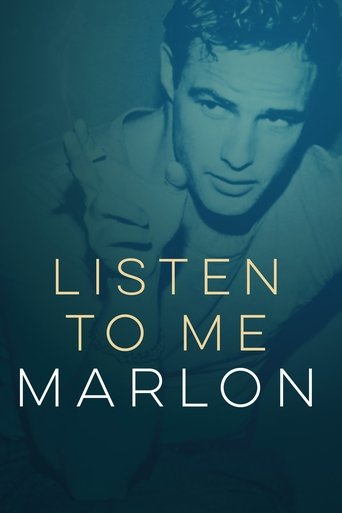
The actors' portraits are often built from their own words. Listen to Me Marlon, from 2015, draws on hundreds of hours of tape that Marlon Brando recorded privately over his life, so that he seems to narrate his own story. Sly lets Sylvester Stallone tell how an underdog wrote himself a part and turned it into a career. Super/Man: The Christopher Reeve Story, from 2024, follows the actor from the cape to the riding accident that changed his life and the campaigning years that followed, with his three children as guides; it is among the highest scored films here, at 8.1. For the Love of Spock is a son's film about his father, Leonard Nimoy, and Mifune: The Last Samurai recounts the career of Toshiro Mifune, the great star of Japanese cinema.
Comedians make touching subjects. John Candy: I Like Me, from 2025, gathers those who knew the much-loved Canadian actor. Robin Williams: Come Inside My Mind is told largely in Williams's own voice. Love, Gilda opens the diaries of Gilda Radner, and Lucy and Desi, directed by Amy Poehler, tells how Lucille Ball and Desi Arnaz built a television studio around a marriage. Too Funny to Fail: The Life & Death of The Dana Carvey Show is the cheerful story of a programme that lasted a few weeks in 1996 with a writing room full of people who later became famous.
Families tell some of the stories themselves. In My Mom Jayne, from 2025, the actress Mariska Hargitay pieces together the life of her mother, Jayne Mansfield, from photographs, letters and the memories of her brothers and sister. Bright Lights: Starring Carrie Fisher and Debbie Reynolds spends time with a mother and daughter who lived next door to each other. Love, Antosha remembers the young actor Anton Yelchin through his journals, photographs and music, and I Am Paul Walker and The Curse of the Dragon, about Bruce Lee, do the same for two stars whose films are still watched everywhere. Steve McQueen: The Man & Le Mans recalls the year the actor staked almost everything on a film about the race he loved.
The story of the movies
Eleven documentaries are about cinema itself, and the film history guide sets them in order. The three compilations from the Metro-Goldwyn-Mayer studio are the most purely enjoyable. That's Entertainment!, from 1974, has the stars of the great musicals walking through the fading studio lot to introduce their favourite numbers. That's Entertainment, Part II, from 1976, is hosted by Gene Kelly and Fred Astaire, dancing together for the first time in thirty years, and adds comedy and drama. That's Entertainment! III, from 1994, opens the vaults for numbers that were cut and seldom seen.
Others restore forgotten names. Be Natural: The Untold Story of Alice Guy-Blaché, from 2018, narrated by Jodie Foster, is the life of a Frenchwoman who directed one of the very first story films in 1896, ran her own studio in New Jersey, and was then left out of the history books. They'll Love Me When I'm Dead follows Orson Welles through the last fifteen years of his life as he tries to finish a final film. A Decade Under the Influence has the American directors of the seventies talk about the freedom of that period, and Los Angeles Plays Itself, nearly three hours long, is a witty essay on how the films have shown, and misrepresented, the city in which they are made.
Two films are about making films against the odds. American Movie, from 1999, follows Mark Borchardt of Wisconsin through two years of trying to complete a short picture with borrowed money, a patient uncle and his loyal friend Mike. It is very funny, and it is on his side. In Shirkers, from 2018, Sandi Tan recalls how, as a teenager in Singapore in 1992, she and her friends shot a road movie with an older mentor, who then disappeared with every reel; twenty years later the film came back to her, silent, and she set out to learn why. Van Gogh: Painted with Words, with Benedict Cumberbatch speaking only lines taken from the painter's letters, shows how well drama and documentary can be combined.
Bands, studios and scenes
Twenty-nine documentaries follow groups of musicians, and the bands guide arranges them. The Beatles have four films. Let It Be, released in 1970, watches them rehearse and record in January 1969. The Beatles: Get Back - The Rooftop Concert presents the whole of their last public performance, on the roof of their London office, as the police climb the stairs. Good Ol' Freda is the story of Freda Kelly, the Liverpool teenager who became their secretary and kept their confidence for fifty years, and How the Beatles Changed the World considers their effect on everything from hair to recording.
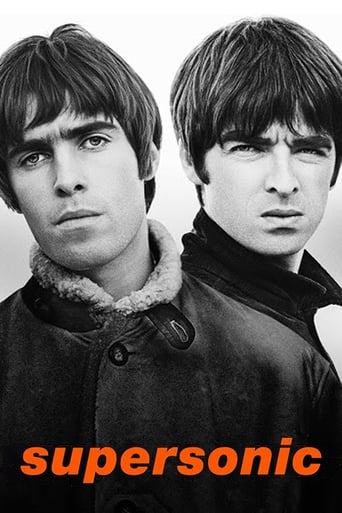
Rock bands are remembered with affection. The Last Waltz, filmed by Martin Scorsese in 1976 and released in 1978, records the farewell concert of The Band with a guest list that includes Bob Dylan, Joni Mitchell, Van Morrison and Muddy Waters, and it set the standard for how such an evening should be filmed. Becoming Led Zeppelin, from 2025, tells of the four musicians before and during their first year together. Supersonic charts the three years that took Oasis from Manchester to two nights before a quarter of a million people at Knebworth. The Who: The Kids Are Alright, Rush: Beyond the Lighted Stage, ZZ Top: That Little Ol' Band from Texas, Foo Fighters: Back and Forth and Coldplay: A Head Full of Dreams each give a band its history, and Depeche Mode: 101, from 1989, follows both the group and a bus of fans across America to a concert at the Rose Bowl.
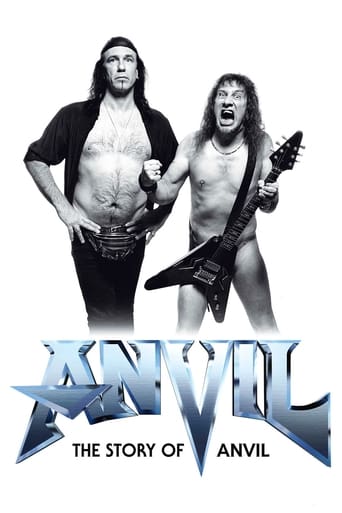
Anvil! The Story of Anvil, from 2008, belongs in a class of its own. Two friends from Toronto promised at fourteen to play heavy metal together for life. Their band influenced groups that became enormous, while they themselves went on delivering school dinners and working on building sites. The film follows them, now in their fifties, on a calamitous European tour and into the studio for a thirteenth album. It is a comedy with a great heart, and a study of friendship.
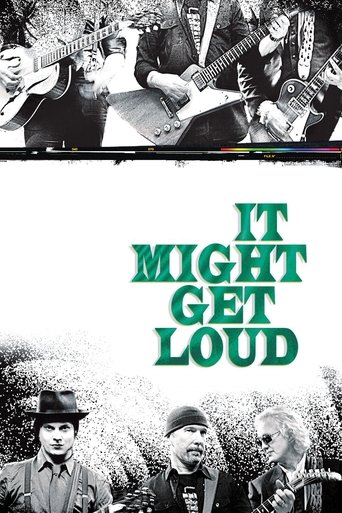
Some of the most rewarding films are about the rooms where records were made, and the players whose names stayed off the sleeves. Sound City, directed by Dave Grohl, is a love letter to a shabby studio in Los Angeles and its famous mixing desk. Muscle Shoals visits a small town in Alabama whose house musicians played on records by Aretha Franklin, Wilson Pickett and the Rolling Stones. The Wrecking Crew celebrates the session players of Los Angeles heard on hundreds of hits of the sixties, and 20 Feet from Stardom turns the spotlight on the backing singers who stood just behind the stars. It Might Get Loud puts three guitarists of three generations in one room, and All Things Must Pass tells the story of Tower Records, the chain of shops where so many of these records were sold.
Brothers, duos and pop groups
Pop music has its own corner of the bands list, and family is the thread that runs through it. The Bee Gees: How Can You Mend a Broken Heart, from 2020, follows the three Gibb brothers from child performers in Australia to the songwriters of a whole era of dance music, and is narrated in part by Barry, the eldest and the last of them. Chasing Happiness is the Jonas Brothers' own account of growing up in New Jersey, becoming famous as teenagers, falling out and making peace. The Sparks Brothers, directed by Edgar Wright, spends two cheerful hours with Ron and Russell Mael, who have made twenty-five albums of witty, restless pop over five decades and are adored by other musicians.
WHAM!, from 2023, is told by George Michael and Andrew Ridgeley themselves, through old interviews and the scrapbooks kept by Ridgeley's mother, and it is above all a film about two school friends. The Show Must Go On: The Queen + Adam Lambert Story explains how a young singer from a television talent contest came to tour the world with one of the great rock groups. Daft Punk Unchained tells the story of the French duo who performed for twenty years behind robot helmets, and Gorillaz: Reject False Icons follows a band whose public faces are cartoon characters through three years of recording and touring.
Two films look at the audience as much as the stage. Woodstock: Three Days That Defined a Generation, from 2019, retells the festival of 1969 through the memories of those who stood in the fields, organised the food and directed the traffic. And Classic Albums: Pink Floyd - The Making of The Dark Side of the Moon is a reminder of how much patient craft, tape splicing and happy accident went into a record that stayed in the charts for years.
Told in their own voices
A striking number of these documentaries dispense with a narrator and let the people concerned do the talking. It is a method with real advantages. In Listen to Me Marlon and Maria by Callas, private tapes and letters give access to thoughts that an interviewer would hardly have drawn out. In Senna and Apollo: Missions to the Moon, the exclusive use of footage shot at the time keeps the audience in the moment, uncertain of what comes next even when the ending is known. In Diana: In Her Own Words and Hawking, the subject sets the terms.
The archive also has its surprises. Whole films here exist because somebody opened a cupboard: the Henson family's boxes of sketches and test reels, the Kraffts' cans of volcano footage, the Beatles' hours of rehearsal film, the boxes of keepsakes in the attic behind Good Ol' Freda. For anyone curious about how documentaries are put together, watching two or three of these side by side is an education in itself, and the making-of films in the catalogue show the same patient assembling from the other side of the camera.
Interviews still have their place, of course. The best talkers in the catalogue are a joy: Philippe Petit acting out his own walk in Man on Wire, the session players of The Wrecking Crew swapping stories around a table, the seven-year-old golfers of The Short Game explaining their strategy with complete seriousness, and the Disney animators of Waking Sleeping Beauty recalling the day their studio was handed to a new management. A good documentary maker knows when to ask a question and when simply to keep the camera running, and these films show both skills at their best.
Singers and players
Twenty-nine documentaries are portraits of solo artists, and the singers and players guide gathers them. Two concern the opera. Pavarotti, made by Ron Howard in 2019, follows the tenor from a baker's household in Modena to the football stadiums where he sang to hundreds of thousands, with the great recordings given room to breathe. Maria by Callas, from 2017, is told wholly in the soprano's own words, through interviews, letters and home movies, and lets several arias play from beginning to end.
David Bowie has three films. Moonage Daydream, from 2022, is a flood of image and sound drawn from his own archive, closer to a concert of the mind than to a biography. David Bowie: Five Years chooses five turning points in his career, and David Bowie: The Last Five Years covers the unexpected burst of work at the end of his life. Michael Jackson is represented by Thriller 40, on the making of the best-selling album of all, Bad 25, Spike Lee's tribute to its successor, and Michael Jackson: The Life of an Icon. Return of the King: The Fall and Rise of Elvis Presley concentrates on a single television special of 1968.
Jazz is treated with care. Miles Davis: Birth of the Cool covers the trumpeter's many changes of direction, Chasing Trane presents the saxophonist John Coltrane as a thinker and seeker as well as a player, and Quincy, co-directed by his daughter, crosses seventy years in the working life of Quincy Jones, arranger, producer and composer. Rolling Thunder Revue: A Bob Dylan Story by Martin Scorsese mixes real concert film from 1975 with playful invention, and John & Yoko: Above Us Only Sky returns to the house where the album Imagine was recorded. Zappa and Freddie Mercury: The Great Pretender look at two showmen away from their bands.
The films about singers of today are more personal than might be expected. I Am: Celine Dion, from 2024, shows the singer living with a rare illness and working to sing again. Glen Campbell: I'll Be Me follows the country star on a farewell tour undertaken after a diagnosis of Alzheimer's disease, with his children in the band. Dolly Parton: Here I Am is as sunny as its subject. Harry Styles: Behind the Album, Shawn Mendes: In Wonder, Lewis Capaldi: How I'm Feeling Now, OLIVIA RODRIGO: driving home 2 u (a SOUR film), Katy Perry: Part of Me, Jennifer Lopez: Dance Again, Beyoncé: Life Is But a Dream and P!nk: All I Know So Far each take a young audience backstage.
Two short films about music are among the finest things in the catalogue. The Last Repair Shop, which won an Academy Award in 2024, visits the workshop in Los Angeles where a few craftspeople mend the eighty thousand instruments lent free to the city's schoolchildren; the menders tell their own stories, and so do the children. Young at Heart, from 2008, spends the last weeks of rehearsal with a chorus in Massachusetts whose members, with an average age of about eighty, sing songs by rock bands. Junun watches an album being made in a fort in Rajasthan, and Squaring the Circle (The Story of Hipgnosis) is about the two designers who created the most famous record sleeves of the seventies.
Sport and adventure
Twenty-three documentaries are about sport, and the sport guide lists them. Motor racing leads. Beside Senna stand McLaren, the story of the New Zealander Bruce McLaren, who built his own cars and founded a team that still races, and Ferrari: Race to Immortality, set in the dangerous, glamorous seasons of the late fifties. Hitting the Apex, narrated by Brad Pitt, follows six of the fastest motorcycle racers of their time, and TT3D: Closer to the Edge goes to the Isle of Man for the road races held there each summer. For light relief there are two outings with the presenters of Top Gear: Top Gear: The Perfect Road Trip 2 and Top Gear: The Worst Car In the History of the World.
When We Were Kings, released in 1996 and winner of an Academy Award, goes back to 1974, when Muhammad Ali, thought to be past his best at thirty-two, met the younger champion George Foreman in Zaire. The film took twenty-two years to finish, and it is as much about Ali's wit, and the music festival held beside the fight, as about boxing. Facing Ali lets ten of his former opponents speak of him. Pumping Iron, from 1977, follows the bodybuilders preparing for the Mr Olympia contest, with a young Arnold Schwarzenegger, already a natural in front of a camera, defending his title.
Basketball has four films: Iverson, The Carter Effect, about what one player meant to the city of Toronto, Bad Boys, on the Detroit team of the late eighties, and Untold: The Rise and Fall of AND1, about a brand born on the playgrounds of New York. Bobby Robson: More Than a Manager is a warm tribute to an English football manager admired wherever he worked. Untold: Breaking Point is an honest account by the tennis player Mardy Fish of the pressure of the professional game, and The Short Game is a delight: eight golfers, all seven years old, at the junior world championship.
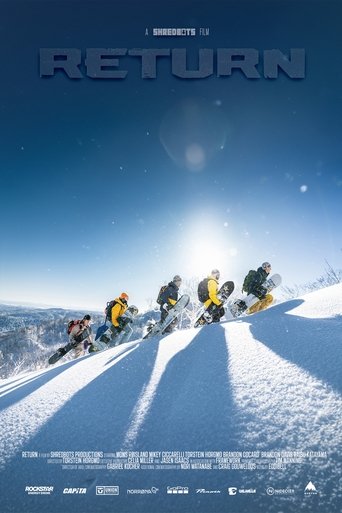
Then there are the adventurers. Gleason, with a score of 8.4, is the video diary that a former American football player began for his unborn son after a grave diagnosis; it is hard to watch dry-eyed and impossible to forget. The Crash Reel follows the snowboarder Kevin Pearce and his family through his recovery from a fall. The Deepest Breath descends with a champion freediver and the safety diver who watches over her. Skyscraper Live records Alex Honnold's climb of one of the tallest buildings in the world, in Taipei; RETURN is forty minutes of inventive snowboarding; and 180° South retraces a journey of 1968 from California to Patagonia.
Science and space
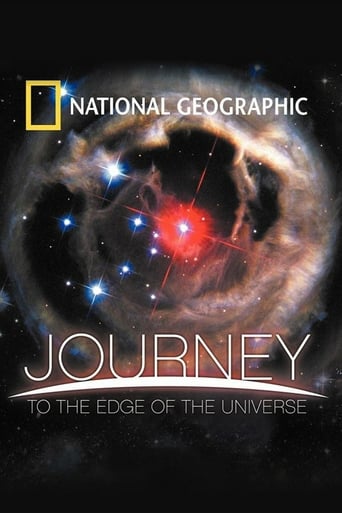
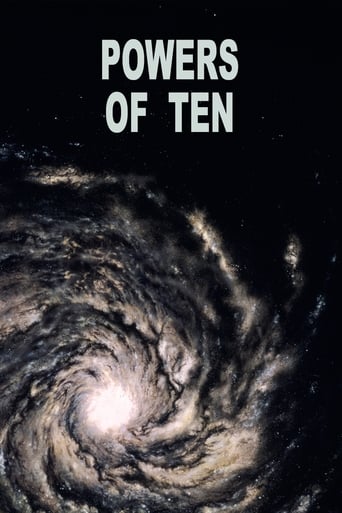
Seventeen documentaries look at the natural world and the universe, and the science and space guide presents them. Apollo: Missions to the Moon, from 2019, tells the story of all twelve crewed flights using only film, photographs and sound recorded at the time, so that the voices are those of mission control and the news desks of the day. National Geographic: Journey to the Edge of the Universe travels outward from the Earth in what appears to be one unbroken movement of the camera. MARS: Inside SpaceX visits the engineers of a rocket company, and Powers of Ten, made by the designers Charles and Ray Eames in 1977, does in nine minutes what most science programmes attempt in an hour: it begins with a picnic in a Chicago park, pulls back by a factor of ten every ten seconds to the edge of the known universe, and then dives inward to the nucleus of an atom.
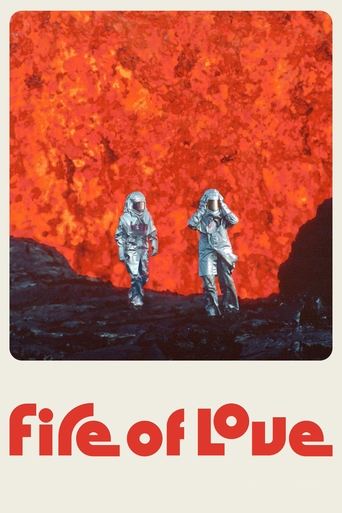
Fire of Love, from 2022, is the story of Katia and Maurice Krafft, French volcanologists who were married to each other and, as they liked to say, to volcanoes. For twenty-five years they filmed eruptions from closer than anyone before them, he in a silver suit at the lip of the crater, she measuring and photographing. The film is made almost wholly from their own astonishing footage, with a narration read by Miranda July, and it is as much a romance as a science film.
Discovery is the subject of several more. In Unknown: Cave of Bones, scientists in South Africa squeeze through passages a few inches wide to study the remains of an early relative of humankind. In Unknown: The Lost Pyramid, Egyptian archaeologists dig at Saqqara in search of a buried monument. Titanic: The Digital Resurrection builds a complete three-dimensional model of the wreck from hundreds of thousands of scans, and Dinosaurs: The Final Day with David Attenborough examines a fossil site in North Dakota that may preserve the very day the asteroid struck. Hawking is the physicist's life in his own words.
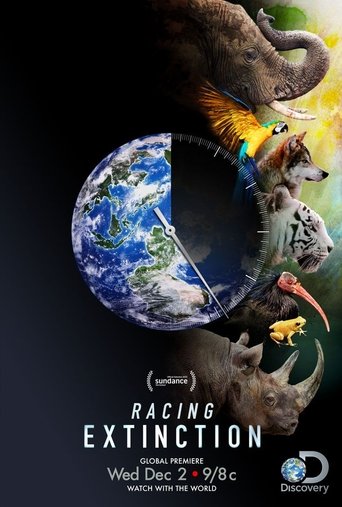
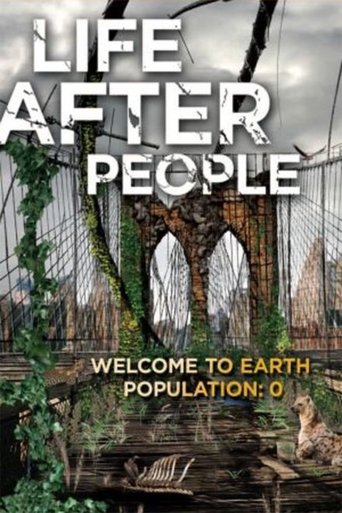
The planet as people have reshaped it is the theme of a striking group. Manufactured Landscapes and Anthropocene: The Human Epoch, both directed by Jennifer Baichwal, follow the photographer Edward Burtynsky to quarries, shipyards and factories of bewildering size. Racing Extinction joins a team working to protect endangered species, and Life After People imagines how quickly cities would return to forest. Three films turn to human behaviour: (Dis)Honesty: The Truth About Lies reports the experiments of the social scientist Dan Ariely, Fake Famous tries to manufacture online celebrity as an experiment, and Brené Brown: The Call to Courage is a lecture, delivered with humour, on vulnerability. General Magic recalls a company of the early nineties that designed a pocket telephone computer years before the world was ready for one.
Art and remarkable lives
Twenty-three documentaries are about artists and about lives out of the ordinary, and the art and lives guide introduces them. Man on Wire, from 2008, is the most famous. On an August morning in 1974 the young Frenchman Philippe Petit walked, danced and lay down on a cable stretched between the twin towers in New York, a quarter of a mile above the street. The film is told like a caper, with the planning, the disguises and the night spent hiding on the roof, and Petit himself is an irresistible narrator. It won the Academy Award for documentary feature.
Koyaanisqatsi, from 1983, has neither narration nor dialogue. For eighty-six minutes the director Godfrey Reggio sets images of deserts, clouds, motorways and crowds, speeded up and slowed down, to music by Philip Glass. Its title is a Hopi word meaning life out of balance. Seen on the largest screen available and with the sound turned up, it is an experience quite unlike any other film here. Daybreak Express, five minutes long, made by D. A. Pennebaker in 1957 and the oldest film in the catalogue, does something similar for a New York elevated railway and a tune by Duke Ellington.
Artists at work are a pleasure to watch. Rivers and Tides follows the sculptor Andy Goldsworthy as he builds fragile works out of ice, leaves, stones and driftwood and lets the weather take them. Derek DelGaudio's In & of Itself, filmed by Frank Oz, records a stage show that is part conjuring and part meditation on identity. As I Was Moving Ahead Occasionally I Saw Brief Glimpses of Beauty, by Jonas Mekas, assembles thirty years of home movies into a diary nearly five hours long, to be dipped into like a book.
Others are portraits of people. Grey Gardens, from 1976, spends time with a mother and daughter, relatives of Jacqueline Kennedy Onassis, living among cats and memories in a decaying mansion on Long Island; it is funny, strange and humane. Twinsters is made by a young actress in Los Angeles who receives a message from a French stranger with her face and her birthday. Diana: In Her Own Words uses recordings made by the Princess of Wales with her voice coach. Girl Rising tells the stories of nine girls in nine countries and their schooling, and Crip Camp: A Disability Revolution begins at a summer camp for disabled teenagers in the early seventies and follows the campers into a movement that changed the law.
The Up films
One series deserves a section to itself, and the Up films guide explains how to approach it. In 1964 a British television programme, Seven Up!, interviewed a group of seven-year-old children from very different homes, some at expensive preparatory schools, some in a children's home, one on a farm in the Yorkshire Dales. The idea was to glimpse the Britain of the year 2000. Seven years later the director Michael Apted, who had been a researcher on the first film, went back to the same children for 7 Plus Seven, and he returned every seven years for the rest of his life.
Five of the films are on Cinema, the two early ones together with 35 Up, 42 Up and 49 Up. Each recalls the earlier ones, so a viewer can begin anywhere, but there is a special reward in watching them in order: the shy boy becomes a teacher, the confident girl becomes a wary woman and then a contented one, and the cab driver, the lawyer and the physicist all grow up before the camera. The series is often called the most ambitious documentary project ever attempted, and its effect is cumulative and profound.
An hour or less
Twenty-four documentaries run sixty minutes or under, and the hour or less guide sorts them by length. They suit a school night, a lunch break or a double bill. The shortest are Daybreak Express and A Fan's Guide to Ms. Marvel at five minutes and Powers of Ten at nine. Creating The Queen's Gambit takes a quarter of an hour. The Last Repair Shop, RETURN and Seven Up! are forty minutes each, and Classic Albums: Pink Floyd - The Making of The Dark Side of the Moon and Pink Floyd: The Story of Wish You Were Here, in which the members of the group sit at the mixing desk and take two famous albums apart track by track, run fifty and fifty-nine.
The highest scored
Top rated holds the twenty-seven films with a viewer score of 7.8 or more, and the top rated guide picks through them. Music films for young audiences head the list, with Thriller 40 at 8.7 and Harry Styles: Behind the Album at 8.5, which says something about the loyalty of fans. Just behind come Gleason, I Am Paul Walker, Super/Man: The Christopher Reeve Story and Senna. Among older films, Koyaanisqatsi and A Decade Under the Influence both stand at 7.9. The list is a useful shortcut, though the quieter pleasures of the catalogue, such as Rivers and Tides or Good Ol' Freda, lie a little further down.
Directors
Documentary directors are less famous than their subjects, and the directors guide gives a few their due. Michael Apted has four films here, all from the Up series. Ron Howard, better known for his features, made both Jim Henson Idea Man and Pavarotti. Martin Scorsese has The Last Waltz and the Bob Dylan film, and Morgan Neville has 20 Feet from Stardom and the Orson Welles portrait. Mat Whitecross directed Supersonic, the Coldplay film and The Sound of 007; Francis Whately made both Bowie films for television; and Colin Hanks made All Things Must Pass and the John Candy portrait.
The classic names of the form are present too. D. A. Pennebaker made Daybreak Express and co-directed Depeche Mode: 101 more than thirty years apart. The Maysles brothers made Grey Gardens. Wim Wenders, Spike Lee, Asif Kapadia and James Marsh each brought a feature director's eye to a true story. Every film page names its director, and following one from film to film is a good way to explore.
Choosing well
A few habits help with choosing. For a mixed household, begin with the making-of films and the portraits of creators, which need only a liking for the films and programmes concerned. For teenagers, the music films about current singers and the sport films are sure ground. For a thoughtful evening, the Up series, Fire of Love and Man on Wire reward close attention. Running times vary from five minutes to nearly five hours, and each film page gives the length. A few films touch on illness and loss, Gleason and Glen Campbell: I'll Be Me among them, and they do so with great tenderness.
Search, lists and My List
The search field in the header answers as you type and sets aside filler words such as watch, online and free. The finding titles page describes the search, the lists, the side rail and the A to Z, which sets out all 170 films in alphabetical order.
Nineteen lists divide the catalogue. Three follow the broad subjects: film and television, music, and the wider world. Eight follow narrower ones: the making of, stars and makers, film history, bands, singers and players, sport, science and space, and art and lives. One gathers the films of an hour or less, five follow the years, Top rated holds the highest scored films, and All titles holds everything. A film may sit in several lists at once, so Steve McQueen: The Man & Le Mans is found under film and television, stars and makers and sport alike.
My List is your saved row of films. Each film page carries an Add to My List button, and the My List button in the menu opens the row as a grid of posters. It is kept by the browser on this device only and reappears each time you come back, and the list page can write it to a file to restore elsewhere. The My List page gives the steps, and the how to watch page explains the path from a title to a service.
A film page on Cinema is laid out for a quick decision: the still and poster first, then the year, running time and genres, the story in a paragraph, the director, and finally the country selector with its Watch now button. Fifteen countries are offered, and the choice is remembered for the next film.
Four evenings of documentaries
A simple plan shows the range. On the first evening, the screen: Jim Henson Idea Man or Waking Sleeping Beauty. On the second, music: Buena Vista Social Club with the family, or Anvil! The Story of Anvil for laughter. On the third, sport: Senna or When We Were Kings. On the fourth, wonder: Fire of Love, with Powers of Ten as the short before the feature. After that the buttons in the menu will carry you on.
Questions and answers
Questions
What is Cinema?
Cinema is a guide to 170 documentaries from 1957 to 2026 on film, music, sport and science, each with its story and a Watch now button to the official services that carry it.
Which documentary should I watch first?
Start with Jim Henson Idea Man, Buena Vista Social Club or Senna. They introduce the films about the screen, about music and about sport.
Is the catalogue suitable for families?
Yes. Every summary was read by hand, and true crime, politics and stand-up specials were left out. A few films deal gently with illness and loss.
What does the making of list contain?
Twenty-two films that go behind the scenes of films and series, from The Matrix and Terminator 2 to Stranger Things and the Disney animation studio.
Are there short documentaries?
Yes. Twenty-four run an hour or less, from Daybreak Express at five minutes to The Last Repair Shop at forty.
What are the Up films?
A British series that has interviewed the same group of people every seven years since 1964. Five of the films are here.
How does My List work?
Press Add to My List on any film page. The list is kept by the browser on this device, and the list page can write it to a file.
Does Cinema host films or downloads?
Cinema is a guide only. Every Watch now button opens JustWatch, which lists the official streaming, rental and purchase services for your country.
